DOT 3 vs. DOT 4 Brake Fluid – Key Differences Every Driver Should Know
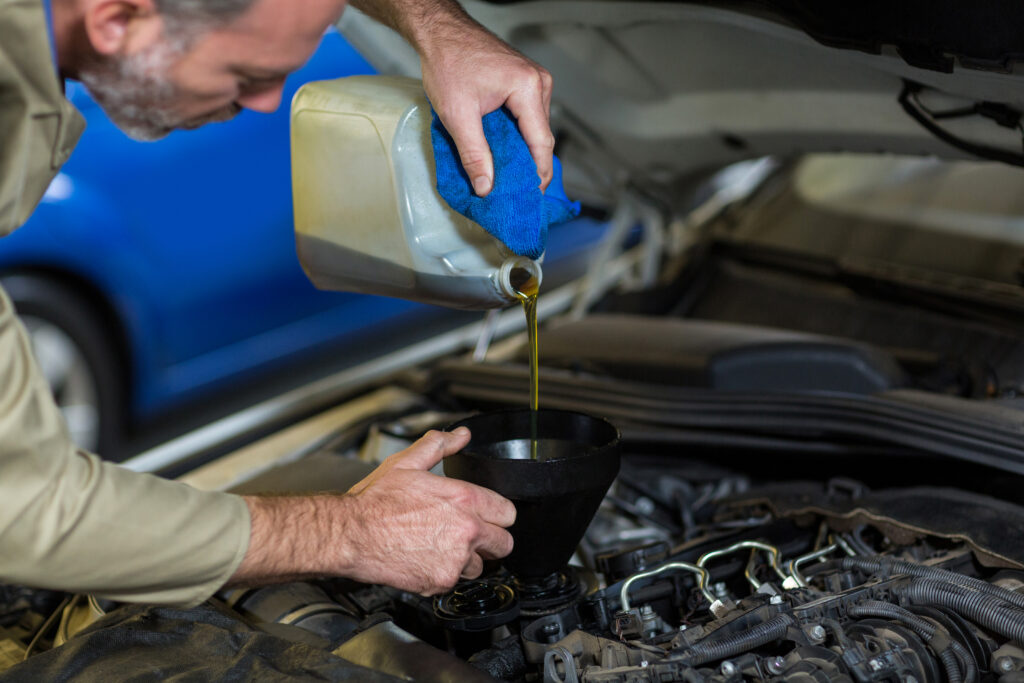
When it comes to your car’s safety, one of the most overlooked yet crucial components is brake fluid. Many drivers focus on brake pads, discs, and calipers, but the fluid that makes the entire system function often doesn’t get enough attention. Without the right brake fluid, even the best braking system won’t perform efficiently.
Two of the most common types of brake fluids are DOT 3 and DOT 4. While they may look similar at first glance, these two fluids have very different properties that can affect your vehicle’s performance, safety, and long-term maintenance.
In this blog, we’ll break down the key differences between DOT 3 and DOT 4 brake fluids, helping you choose the right one for your vehicle.
What is Brake Fluid and Why Is It Important?
Brake fluid is a type of hydraulic fluid that plays a critical role in your braking system. When you press down on the brake pedal, brake fluid transfers that pressure from the pedal to the brake calipers, which then squeeze the brake pads against the rotors to stop your vehicle.
Without brake fluid, your brakes would not work at all. The quality and type of brake fluid you use directly impact:
Stopping distance
Brake responsiveness
System longevity
Overall driving safety
This is why choosing between DOT 3 and DOT 4 brake fluid is more than just a maintenance decision—it’s a safety decision.
What Does “DOT” Mean in Brake Fluid?
“DOT” stands for the Department of Transportation, which sets the standards for brake fluids. DOT ratings indicate important fluid properties such as boiling point, viscosity, and chemical composition.
Boiling point is especially critical. During braking, a huge amount of heat is generated. If the brake fluid reaches its boiling point, it can vaporize, causing brake fade or complete brake failure.
Different DOT ratings are designed to meet specific performance requirements.
DOT 3 Brake Fluid: Features and Benefits
DOT 3 is one of the most common types of brake fluid and is widely used in standard vehicles.
Key Features:
Boiling Point (Dry): Around 205°C (401°F)
Boiling Point (Wet): Around 140°C (284°F)
Viscosity: Moderate, making it suitable for most passenger cars
Composition: Primarily glycol-based
Advantages of DOT 3 Brake Fluid:
Cost-Effective – DOT 3 is generally cheaper than DOT 4.
Widely Available – Easy to find in most auto shops.
Sufficient for Daily Driving – Works well in standard cars used for commuting.
Limitations:
Lower boiling points mean it’s not ideal for high-performance or heavy-duty vehicles.
Absorbs moisture quickly, requiring more frequent replacement.
DOT 4 Brake Fluid: Features and Benefits
DOT 4 brake fluid is designed for more demanding driving conditions, offering better heat resistance and performance compared to DOT 3.
Key Features:
Boiling Point (Dry): Around 230°C (446°F)
Boiling Point (Wet): Around 155°C (311°F)
Viscosity: Slightly higher than DOT 3, ensuring better performance in ABS systems
Composition: Also glycol-based, but with additional additives for improved stability
Advantages of DOT 4 Brake Fluid:
Higher Boiling Points – Performs better under heavy braking and high temperatures.
Ideal for Modern Vehicles – Works well with advanced braking systems such as ABS and ESP.
Better Longevity – Slower moisture absorption compared to DOT 3.
Limitations:
More expensive than DOT 3.
Still absorbs moisture over time, requiring regular checks and replacement.
DOT 3 vs. DOT 4: Key Differences at a Glance
| Feature | DOT 3 Brake Fluid | DOT 4 Brake Fluid |
|---|---|---|
| Dry Boiling Point | ~205°C (401°F) | ~230°C (446°F) |
| Wet Boiling Point | ~140°C (284°F) | ~155°C (311°F) |
| Moisture Absorption | High | Moderate |
| Best For | Standard passenger cars | High-performance, ABS vehicles |
| Cost | Lower | Higher |
How to Choose Between DOT 3 and DOT 4 Brake Fluid
When deciding between DOT 3 and DOT 4, consider the following factors:
Type of Vehicle
If you drive a regular sedan or hatchback, DOT 3 may be sufficient.
If you own a sports car, SUV, or heavy-duty vehicle, DOT 4 is recommended.
Driving Conditions
For city driving and short commutes, DOT 3 is adequate.
For highway driving, mountainous terrain, or towing, DOT 4 offers more safety.
Maintenance Habits
DOT 3 requires more frequent fluid changes.
DOT 4 can last longer but comes at a higher price.
Common Myths About Brake Fluid
Brake fluid lasts forever.
False. Brake fluid absorbs moisture over time, lowering its boiling point and reducing effectiveness. Regular replacement is necessary.DOT 4 is always better than DOT 3.
Not necessarily. While DOT 4 has higher boiling points, using it in a vehicle designed for DOT 3 may not provide significant benefits and could be unnecessary.Mixing DOT 3 and DOT 4 is fine.
Technically, they are compatible, but it’s not recommended. Mixing can dilute performance, and it’s always best to use the type recommended in your owner’s manual.
How Often Should Brake Fluid Be Replaced?
DOT 3: Every 1–2 years
DOT 4: Every 2–3 years
However, always check your vehicle manufacturer’s recommendations. Regular maintenance ensures optimal performance and safety.
Why Choose Lubetrol for Brake Fluids?
At Lubetrol Lubricants Manufacturing LLC, we specialize in producing high-quality DOT 3 and DOT 4 brake fluids that meet international safety and performance standards. Our products are designed for the UAE’s unique driving conditions, offering:
Superior heat resistance
Consistent performance under stress
Enhanced protection against moisture absorption
Whether you’re a daily commuter or managing a fleet of vehicles, Lubetrol ensures your braking system runs with maximum safety and reliability.
Final Thoughts
The choice between DOT 3 and DOT 4 brake fluid depends largely on your vehicle type, driving habits, and performance needs. DOT 3 is economical and suitable for everyday driving, while DOT 4 provides extra protection for high-performance and heavy-duty applications.
No matter which you choose, always prioritize regular maintenance and quality fluids. After all, your vehicle’s ability to stop safely can make the difference between avoiding an accident and facing one.
With Lubetrol’s trusted brake fluids, you can drive confidently, knowing your vehicle is equipped with the performance edge it needs.